What happens when AI moves faster than policy
Dec 17, 2025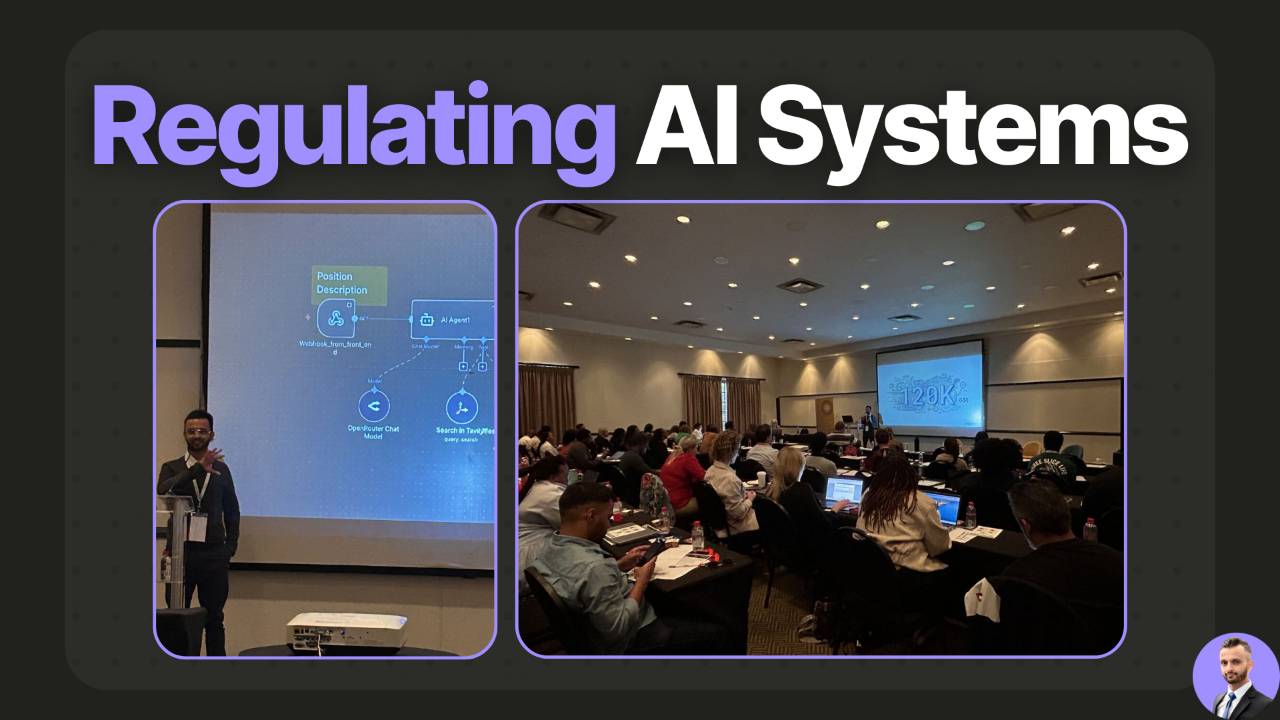
Last week, I gave a talk at the AI Regulation & Compliance Conference 2025.
The room was full of lawyers, compliance leads, policy advisors, and regulators. Everyone was focused. Everyone was engaged.
And everyone was wrestling with the same quiet problem.
AI is moving at bullet-train speed.
Regulation is still laying the tracks.
The real problem no one says out loud
Most regulatory frameworks assume something stable.
Clear inputs.
Predictable outputs.
Time to review decisions after the fact.
AI breaks all of that.
Models update constantly.
Data shifts daily.
Decisions happen faster than humans can audit them.
If your approach relies on manual reviews, quarterly reports, or static documentation, you are already behind.
You cannot regulate something you do not understand.
You cannot understand AI if you are only observing it from the outside.
The shift that changed how I think about regulation
My conclusion was simple, but uncomfortable for some.
You cannot regulate AI without using AI.
Not one massive generalist system trying to do everything.
But many small, application-specific agents.
Each agent does one thing.
- Monitor inputs
- Track outputs
- Enforce rules
- Log decisions
- Flag anomalies
No creativity. No opinions. Just execution.
This is how you build guardrails for systems that never stop moving.
Why nano agents beat big frameworks
Large policy frameworks move slowly by design.
AI does not.
Small agents can:
- Run continuously
- Watch systems in real time
- Produce explainable logs
- Surface issues before they become incidents
Instead of asking, “What happened last quarter?”
You start asking, “What is happening right now?”
That shift matters.
How this works in the real world
I build these systems using n8n as the orchestration layer.
It connects models, tools, databases, and internal systems into workflows that actually run.
Today, I maintain 60+ high-ROI n8n workflows across different organizations.
The impact is measurable:
- 20 to 30 hours of manual work removed per week
- Continuous compliance instead of reactive audits
- Clear visibility into model behavior
- Thousands saved monthly in operational costs
This is not theoretical. These workflows run daily.
“But I’m not technical”
That came up more than once during the conference.
You do not need to be a developer.
The real gap is not tools. It is implementation.
When you work with ready-built systems, you learn by running them.
You understand AI by operating alongside it.
That is the only way regulation keeps pace.
The bigger takeaway
Regulation cannot stay external to AI systems.
It has to live inside them.
If you want to understand AI, you must automate alongside it.
If you want to regulate AI, you must build systems that never stop watching it.
That is the future of compliance.
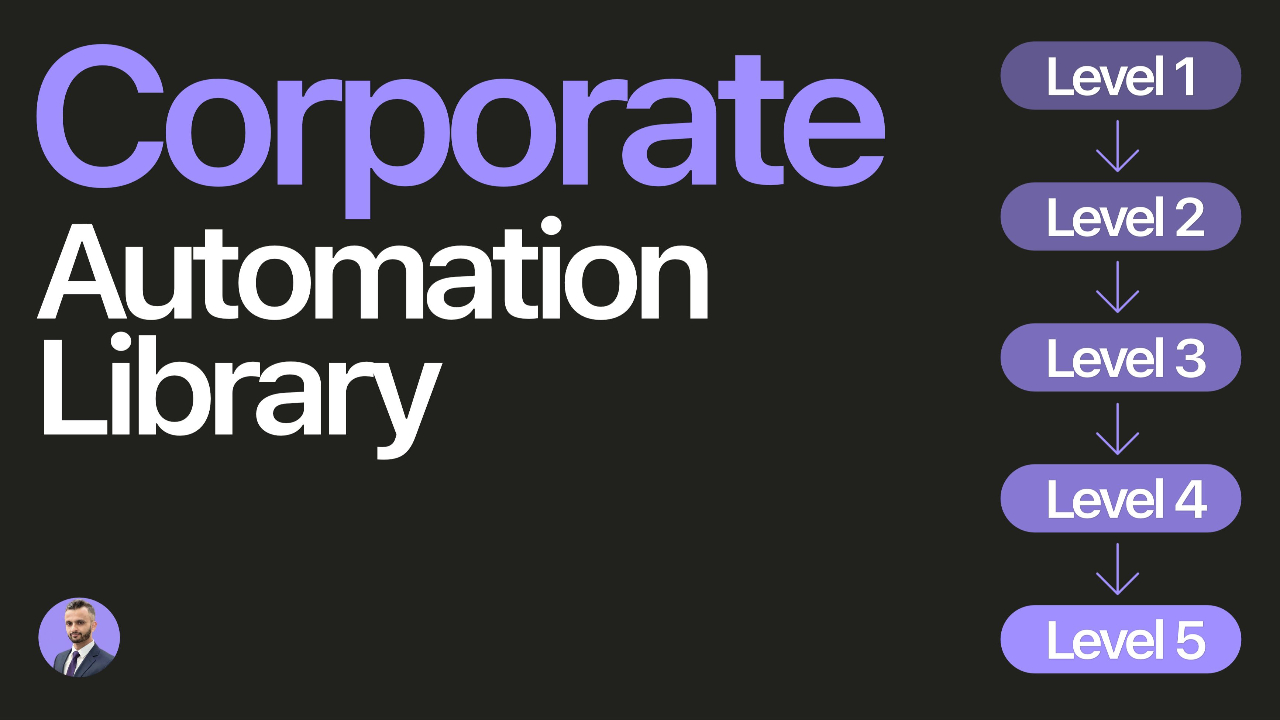
👉 Access the Corporate Automation Library
Explore Level 1 to Level 5 autonomy systems and ready-to-use n8n workflows
👉 Subscribe to Augmented AI News
Weekly breakdowns of real automation systems, agents, and workflows
From 80-Hour Weeks to 4-Hour Workflows
Get my Corporate Automation Starter Pack and discover how I automated my way from burnout to freedom. Includes the AI maturity audit + ready-to-deploy n8n workflows that save hours every day.
We hate SPAM. We will never sell your information, for any reason.